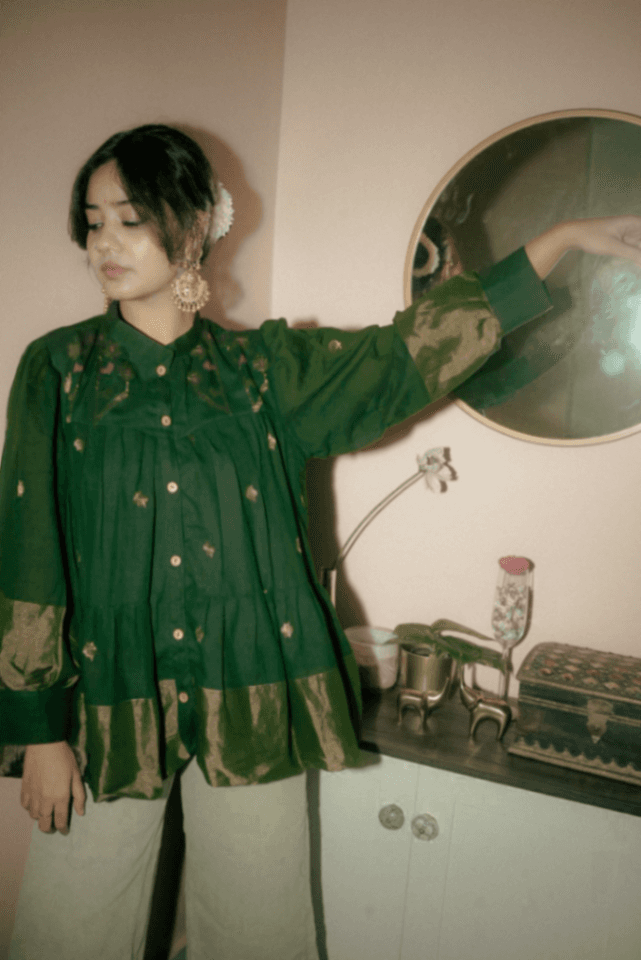
Fashion That Doesn't Cost the Earth
At Womaniya, sustainability is not a marketing word. It is how we have always worked — slow, intentional, and deeply rooted in respect for the people and processes behind every thread.
Explore the CollectionOur Philosophy
Long before "sustainable fashion" became a trend, handloom was already the answer. Woven by hand, in natural fibres, by skilled artisans who inherit their craft through generations — handloom has always been the antithesis of fast fashion. At Womaniya, we simply refuse to compromise on that.
Every decision we make — from which weaver we partner with, to the dyes we use, to the packaging we ship in — is guided by one question: **does this do more good than harm?**
Natural Fibres, Always
We work exclusively with **natural fibres**:
- **Cotton** — breathable, biodegradable, and the backbone of Indian handloom
- **Silk** — Mulberry silk from ethical sericulture communities
- **Linen** — minimal water use, strong, and beautifully textural
- **Blended naturals** — cotton-linen and cotton-silk blends that combine the best of each
We do not use polyester, nylon, acrylic, or any synthetic blend — ever. Natural fibres are biodegradable, kind to the skin, and do not shed microplastics into our water systems.
Fair & Direct Artisan Partnerships
Every Womaniya saree is made by a named artisan or weaving cooperative. We:
- Pay **above-market wages** — significantly higher than the industry floor
- Work **directly with weavers**, eliminating multiple layers of middlemen who have historically taken the largest share of value
- Build **long-term relationships** — our artisan partners know we will come back next season, enabling them to plan, invest, and build their own livelihoods
- Actively prioritise partnerships with **women weavers** and cooperatives led by women
We believe fair wages are not charity — they are the correct price for skilled, labour-intensive handwork.
Slow Fashion, by Design
We do not follow the fashion calendar. We do not release 52 micro-collections a year. We create **small, considered collections** — each piece is made to order or in very limited quantities — because we believe:
- The most sustainable garment is the one you buy once and wear for decades
- Overproduction is one of fashion's most harmful practices
- Every saree we make should be worth keeping forever
We encourage our customers to buy less, choose well, and care deeply for what they own.
Preserving a Living Heritage
The handloom traditions we work with — **Jamdani**, **Tant**, **Kantha**, **Baluchari**, **Muslin** — are not just beautiful. They are living cultural heritage. The Jamdani weave is recognised by UNESCO as an Intangible Cultural Heritage of Humanity.
When you buy a Womaniya saree, you are directly funding the continuation of these traditions. Without buyers who value handloom, weavers are forced to abandon their looms for lower-skilled industrial work. Every purchase is an act of cultural preservation.
Minimal, Thoughtful Packaging
We have redesigned our packaging to eliminate plastic wherever possible:
- All sarees are wrapped in **recycled, unbleached tissue paper**
- Shipped in **kraft paper mailers** made from 80% recycled materials
- Gift packaging uses **cotton muslin bags** that double as saree storage bags
- No bubble wrap, no styrofoam — we use paper cushioning for added protection
We are working toward 100% plastic-free packaging by end of 2025.
Natural & Low-Impact Dyes
Many of our sarees use **natural dyes** derived from plants, bark, and minerals — indigo, turmeric, henna, madder, and iron mordants. These dyes are biodegradable, non-toxic, and have been used by Indian dyers for thousands of years.
Where chemical dyes are used (for precise colour matching in some collections), we work only with artisans who use **GOTS-certified, low-impact dyes** that meet international standards for safety and environmental impact.
Our Carbon Footprint
We are in the early stages of formally measuring our carbon footprint. What we already know: - Handloom production is fundamentally **low-energy** — a loom uses no electricity - Our courier partners are working toward carbon-neutral logistics - We offset our direct operations through verified reforestation programs in Bengal
We commit to publishing our first sustainability report by 2026.
What We Are Still Working On
We believe in honesty over greenwashing. Here is what we are still working toward:
- **Fully natural dye across all collections** — currently 60% of our range, target 85% by 2026
- **Documented artisan profiles** on every product page
- **Third-party fair trade certification**
- **Formal carbon footprint measurement and offsetting**
Progress, not perfection. We will share our journey openly.
“The most sustainable garment is the one you already love. Buy once, drape for a lifetime.”
— Womaniya
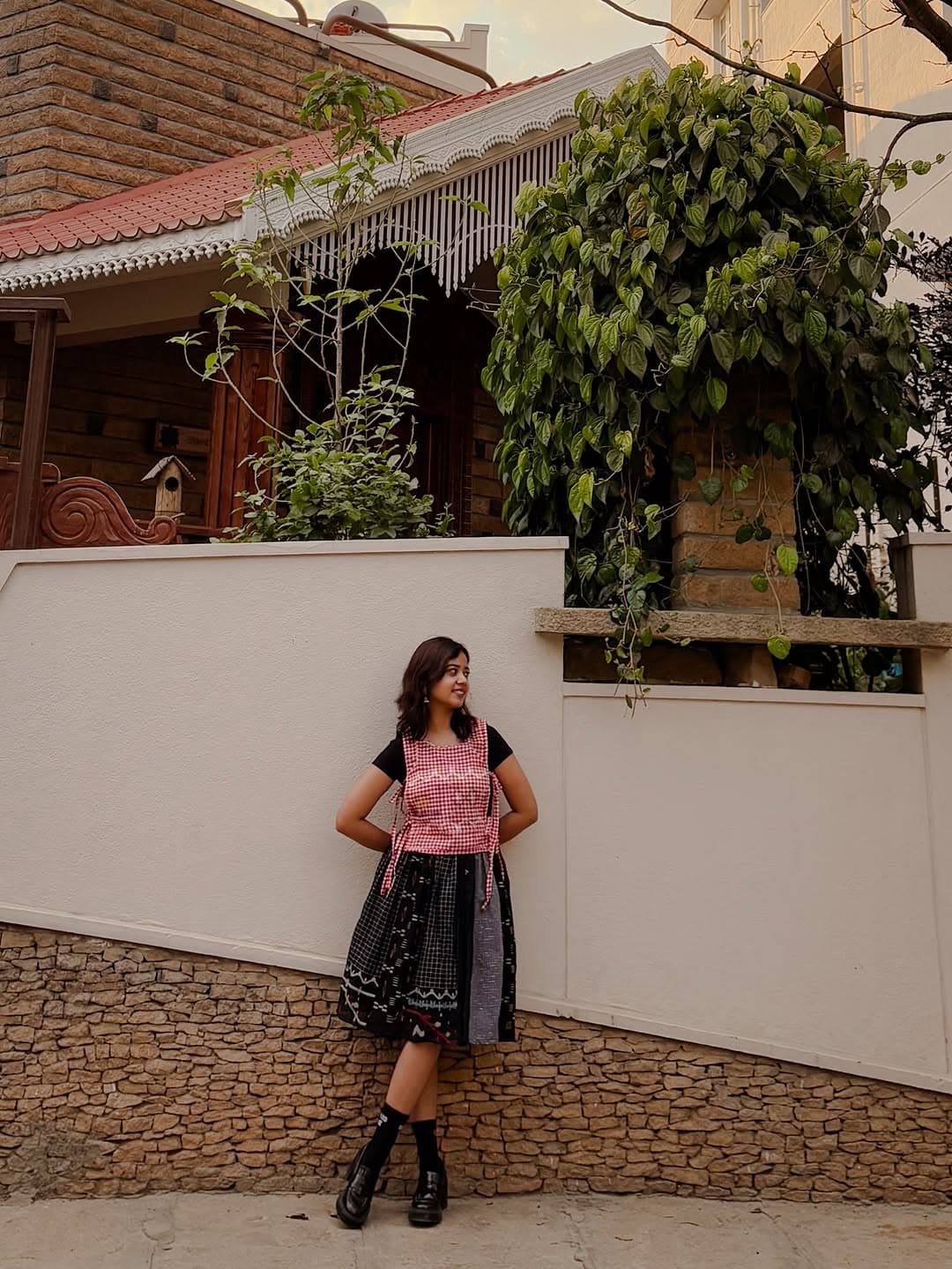
The Hands Behind Every Saree
A master Jamdani weaver works at their pit loom for 8–12 hours a day, weaving motifs so fine they appear to float on the fabric. A single saree can take 2–4 weeks to complete. When you wear a Womaniya saree, you carry the dedication of these hands with you. Our direct partnerships ensure they are compensated fairly for that extraordinary skill.

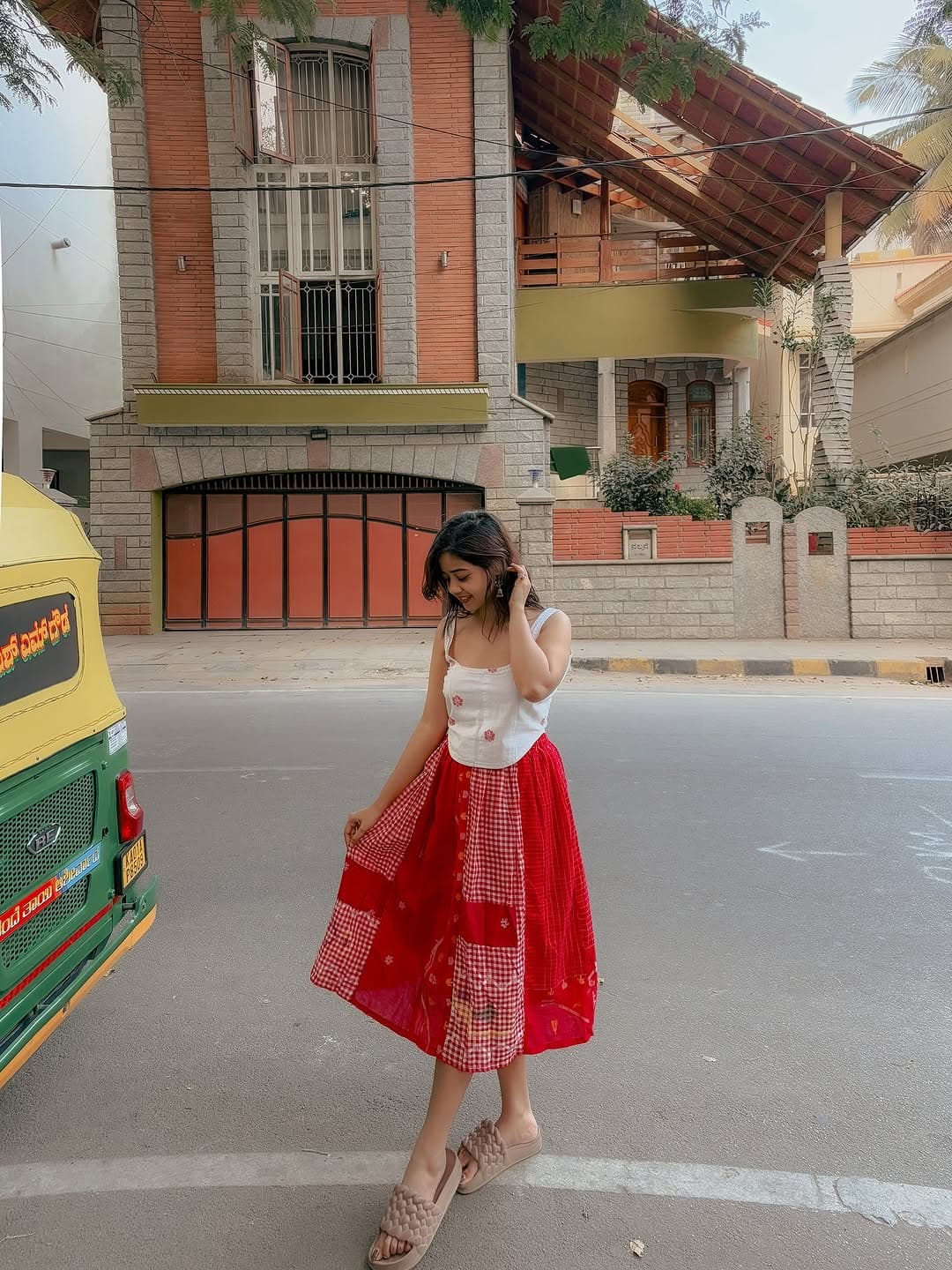


Shop with Intention
Every Womaniya purchase supports real artisans, keeps a living craft alive, and puts something truly beautiful in your wardrobe — for life.
Explore the Collection